

Introduction
Blocked drains can create more than an unpleasant smell or slow sink. Rising wastewater may soak floors, weaken walls, stain fittings, and encourage mould growth. In Auckland homes and businesses, heavy rain can add pressure to already restricted pipes. Early attention helps property owners limit repair costs and protect valuable contents. Professional drain care also reveals hidden faults, giving households a clearer view of plumbing risks before a minor restriction becomes a serious water damage event.
Why Blocked Drains Create Property Risks
A restricted pipe prevents wastewater from leaving the building efficiently. Pressure then builds behind grease, roots, paper, or sediment. Property owners seeking Drain Unblocking Services in Auckland can address this risk before overflow reaches flooring or wall cavities. Prompt removal restores flow, reduces contamination, and limits moisture exposure around kitchens, bathrooms, gullies, and external drainage points.
Common Causes of Drain Restrictions
Grease often cools inside kitchen pipes, forming a sticky layer that traps food particles. Tree roots may enter cracked underground sections and continue spreading through the line. Toilets can restrict after excessive paper or unsuitable items enter the bowl. Soil movement, collapsed joints, and accumulated silt also reduce internal space, leaving less capacity during periods of heavy rainfall.
How Water Damage Develops
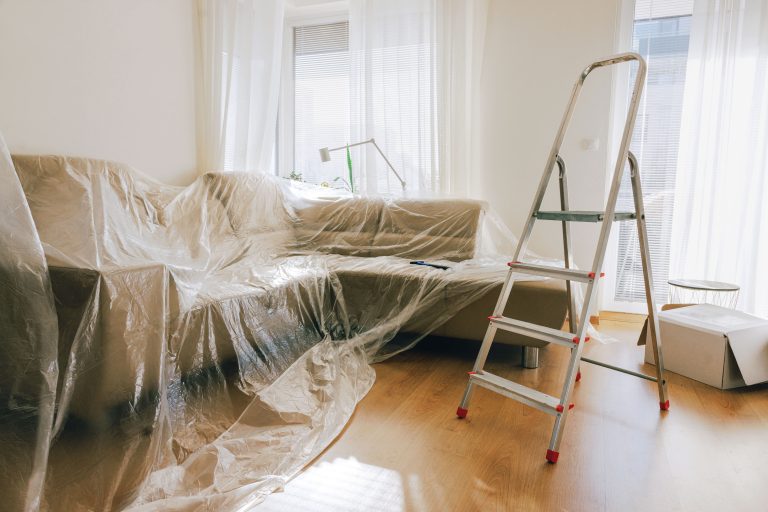
Overflowing wastewater can seep beneath vinyl, timber, carpet, and cabinetry. Moisture hidden below surfaces may remain unnoticed, allowing timber decay or mould to develop. Saturated plasterboard can lose strength and require replacement. Contaminated water brings further hygiene concerns, especially near food preparation areas. Quick drainage restoration helps keep exposure brief and protects finishes that might otherwise need extensive removal.
Inspection Finds Hidden Problems
CCTV Assessment
A camera inspection shows the condition and location of an obstruction without unnecessary excavation. Operators can spot root intrusion, broken joints, displaced sections, and heavy deposits inside the line. This evidence supports a more accurate repair plan. It also helps property owners distinguish between a simple blockage and a structural fault that could cause another overflow later.
Effective Clearing Methods
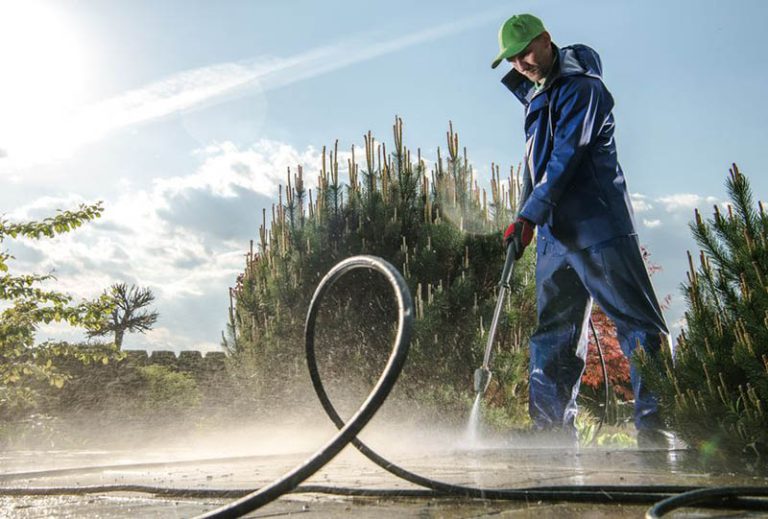
Hydro jetting uses pressurised water to wash away grease, silt, and loose debris. Drain rodding can break apart compacted material in narrower sections. Vacuum equipment removes loosened waste from chambers and gullies. These methods avoid relying on harsh chemical cleaners, which may damage some pipe materials or enter surrounding soil. The correct technique depends on blockage depth, pipe condition, and access.
Protecting Foundations and Outdoor Areas
A blocked underground line can force water into soil beside foundations, paths, or retaining structures. Repeated saturation may soften ground, create settlement, or place pressure on masonry. Overflow near exterior walls can also enter through cracks and low openings. Restoring clear flow helps direct water into the intended drainage route, reducing stress around the building envelope and nearby hard surfaces.
Warning Signs Requiring Attention
Several signs often appear before a major overflow. Slow basins, gurgling toilets, recurring smells, and water rising in a shower indicate restricted movement. Multiple affected fixtures suggest a deeper line problem rather than one local trap. Wet patches near an inspection point may signal leakage below ground. Early assessment gives property owners more time to protect rooms and move stored belongings.
Routine Care Reduces Future Damage
Regular drain cleaning removes deposits before they become dense barriers. Strainers can catch hair, food scraps, and other solids before they enter pipework. Outdoor grates should remain clear of leaves and garden waste. Trees planted close to underground lines may require monitoring. Professional checks after recurring incidents can reveal defects, helping households plan repairs instead of facing repeated emergency callouts.
A Practical Response Plan
At the first sign of restricted flow, occupants should stop adding water to affected fixtures. Valuable items can be moved away from low areas, while electrical equipment near wet surfaces should remain untouched. Plungers may help with small local restrictions, but repeated symptoms need qualified assessment. After clearance, affected surfaces require drying, cleaning, and inspection for hidden moisture.
Conclusion
Drain unblocking protects property by controlling wastewater before it spreads into rooms, foundations, and external ground. Professional inspection can reveal causes that household remedies often miss, while suitable clearing methods restore dependable flow. Routine maintenance adds another layer of protection by reducing deposits and identifying faults early. For Auckland property owners, quick action after warning signs can reduce disruption, preserve building materials, and prevent a restricted pipe from becoming a costly water damage problem.