




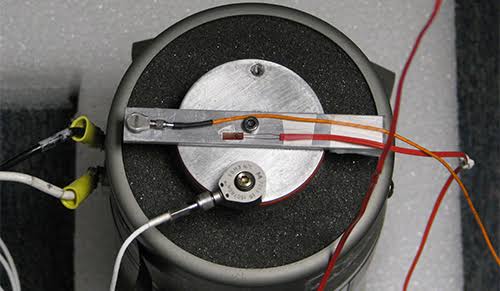
Material testing depends on evidence that can be trusted under load. Strain gauges provide that evidence by measuring minute surface deformation as force is applied. Engineers use these readings to assess metals, polymers, composites, concrete, adhesives, and bonded assemblies. Without accurate strain data, a sample may appear stable even as local damage begins. Careful measurement helps teams confirm strength, stiffness, fatigue response, and service limits before parts enter use.
Small Sensors, Clear Data
A bonded gauge converts surface movement into a change in electrical resistance. Test teams choosing sensor patterns, adhesives, bridge circuits, and protection methods can use strain gauge Australia as a practical reference for matching gauge selection with specimen geometry, temperature exposure, strain range, and repeatable laboratory procedures.
Why Strain Matters
Force explains what is applied to a specimen. The strain shows how the material answers. That distinction is essential in design review because equal loads can produce very different deformation patterns. A ductile alloy may stretch gradually, while a brittle composite may show limited warning before fracture. Reliable readings help engineers identify elastic behaviour, yield onset, stiffness loss, and failure progression.
Bonding Affects Results
Good data starts before the first load cycle. The bonding surface must be clean, dry, smooth, and properly abraded. Adhesive thickness, cure conditions, lead routing, and gauge alignment all affect signal quality. Even a small angle error can affect bending or torsion results. Careful installation reduces drift, noise, and false strain, giving analysts a clearer view of actual response.
Common Test Uses
Strain gauges are used in tensile, compression, flexural, torsion, and fatigue studies. In metal testing, they help confirm yield points, crack initiation risk, and residual stress effects. Composite programs rely on them to compare fibre direction, laminate stacking, and local stiffness. Civil testing uses gauges on concrete, reinforcement, beams, and panels to monitor deformation under realistic loading.
Better Load Insight
A load cell measures the total force, whereas a strain gauge captures local behaviour. That local view matters near holes, welds, fasteners, bonded joints, corners, and section changes. Stress concentration often begins in these areas long before global failure appears. Multiple gauges can map strain paths across critical zones, helping engineers locate weak features and refine part geometry with evidence.
Temperature Control
Temperature affects both the test specimen and the gauge circuit. Thermal expansion can resemble mechanical strain unless compensation is planned. Engineers often match gauge type to the material expansion coefficient and expected heat range. Stable wiring, shielding, and balanced bridge circuits help control drift. These details become especially important during heated tests, outdoor monitoring, or long fatigue programs.
Digital Acquisition
Modern data systems record strain, force, displacement, and time on the same timeline. Synchronized channels make it easier to connect events, compare curves, and diagnose sudden changes. Software can calculate modulus, detect peak strain, and document cyclic behaviour. Clean acquisition also supports repeat trials, calibration records, and reports that can withstand client review or audit.
Material Development
New materials need measured proof before adoption. Strain gauges help researchers compare heat treatments, fibre layouts, resin systems, print orientations, and manufacturing changes. A small adjustment can alter stiffness, fatigue life, or damage tolerance. Early strain measurement helps teams reject poor candidates, improve promising samples, and reduce the chance of costly failure during production trials or field service.
Quality and Standards
Consistent strain measurement supports recognised test methods and defensible results. Calibration, traceable instruments, documented installation steps, and pre-test checks all matter. Operators need clear procedures for surface preparation, gauge bonding, bridge balance, wiring inspection, and post-test review. Complete records make results easier to compare across batches, suppliers, laboratories, and repeat programs conducted months apart.
Limits to Consider
Strain gauges are sensitive instruments, so handling discipline is essential. Poor bonding, damaged leads, moisture ingress, electrical interference, or unsuitable adhesive can reduce accuracy. Excessive strain may also exceed the gauge limit. Engineers manage these risks through correct gauge length, backing choice, protective coating, and verification before loading. A careful setup often prevents hours of unusable data.
Conclusion
Strain gauges give material testing a direct measurement of deformation, which force readings alone cannot provide. Their value depends on correct placement, sound bonding, thermal control, reliable wiring, and disciplined data capture. In research, certification, production checks, and structural monitoring, these sensors help engineers assess strength, stiffness, fatigue behaviour, and safety with measurable evidence. As materials become lighter and more specialised, strain data remains central to responsible engineering decisions.