


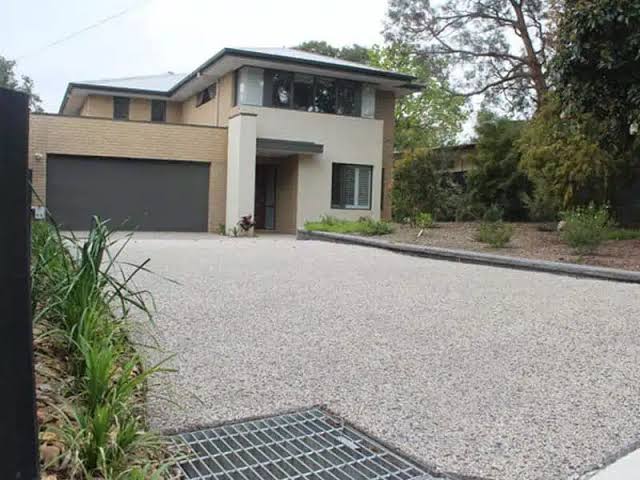
A driveway shapes the first impression of a home. Plain grey concrete may perform well, but it can leave the frontage looking unfinished. Colour brings warmth, depth, and design intent while maintaining practicality. With the right tone, texture, and layout, a driveway can frame the house, support planting, and make the entryway feel calm, cared for, and cohesive.
Colour Creates Impact
A coloured concrete driveway helps link paving with brickwork, render, roofing, pathways, and landscaping. That relationship matters because buyers and visitors view the frontage as one cohesive composition. Thoughtful colour selection can soften harsh edges, draw attention to the entryway, and give the property a more harmonious appearance.
It Matches the Home’s Materials
Driveway colour should correspond to the permanent materials of the home. Roof tiles, window frames, garage doors, and wall finishes all help define the colour palette. Charcoal often suits sharp contemporary facades, while sandstone, terracotta, or warm grey can suit older homes. Balance matters most. A shade should support the overall aesthetic of the building, not fight for attention.
It Frames the Garden
Landscaping often looks more vibrant beside a surface that shares its visual temperature. Coloured concrete can make lawns, native shrubs, and feature beds appear more defined. Earth-based tones blend seamlessly with timber, stone, and mulch. Cooler greys may suit clipped hedges or structured planting. The driveway then becomes a part of the outdoor composition.
It Hides Daily Marks
Driveways collect tyre residue, dust, leaves, water marks, and soil from shoes. Mid-tone colours can reduce the visible effect of routine use. Very pale concrete often shows oil and tannins quickly, while darker shades may reveal dust. The choice of colour should be practical and ensure that it keeps the frontage looking presentable with normal washing and steady care.
Finish Changes the Feel
Colour changes once texture enters the design. A smooth finish can look crisp on modern homes. Exposed aggregate introduces movement, grip, and mineral variation. Brushed concrete gives a restrained, practical look. Each finish affects how light strikes the surface. The same pigment can appear softer, deeper, or warmer after the final treatment.
Sample panels help prevent expensive guesswork. Colours can shift in harsh sun, shade, or wet weather. Testing near the garage and garden will provide you with a more accurate impression. A sample also shows texture, not just tone. This step helps homeowners choose with greater certainty.
Kerb Appeal Supports Value
Buyers often assess care levels from the street. A neat, well-coloured driveway suggests the property has received consistent attention. That impression can influence inspection interest before anyone enters the home. Colour alone cannot determine a property’s value, of course. Still, a stronger presentation can help a house stand out in a competitive market.
It Defines the Entryway
A driveway guides movement from the street to the home. Colour can make that route feel clear and intentional. A darker border may define edges, while a lighter centre can widen the visual effect. Gentle contrast near pathways or steps can also improve orientation. The result feels ordered without appearing forced.
Good Colours Feel Timeless
Trends come and go, but exterior colours remain visible for years. Neutral, natural, and muted tones usually age best. Stronger shades can work when they clearly relate to the house. A driveway should still feel suitable after repainting, new planting, or minor renovations. Restraint often produces the most durable visual result.
Maintenance Still Matters
Coloured concrete needs care to maintain its appearance. Regular sweeping removes grit, leaves, and organic debris. Prompt washing can reduce staining from oil, tannins, or muddy runoff. Sealers may protect colour and make cleaning easier. Care needs vary depending on exposure, finish, and use. A good installation should include clear guidance for long-term maintenance.
Conclusion
A coloured concrete driveway can enhance kerb appeal because it improves how a home is perceived from the street. It connects the building, garden, and entry into one clear exterior composition. Colour also helps manage marks, guide movement, and support long-term presentation. With thoughtful selection of the tone and textures and regular care, the driveway becomes a prominent feature of the home’s frontage.