

Introduction
Fresh carpet and tile can change the feel of a home within hours. Yet the lasting effect varies a lot from one job to the next. Some floors stay bright for months, while others look tired again after a short stretch. That gap usually comes from material type, soil load, moisture control, and daily habits after service. A longer-lasting result is rarely luck. It usually reflects choices made before, during, and after the cleaning visit.
Fiber and Surface Type
Many homeowners compare results after service and wonder why one room stays bright for months while another dulls within weeks. Fiber density, grout depth, traffic patterns, and drying speed all shape that outcome. Local readers researching Carpet Cleaning in Orlando often focus on price first, yet longer wear usually depends on methods matched to material, soil level, and normal household use.
Soil Load Matters
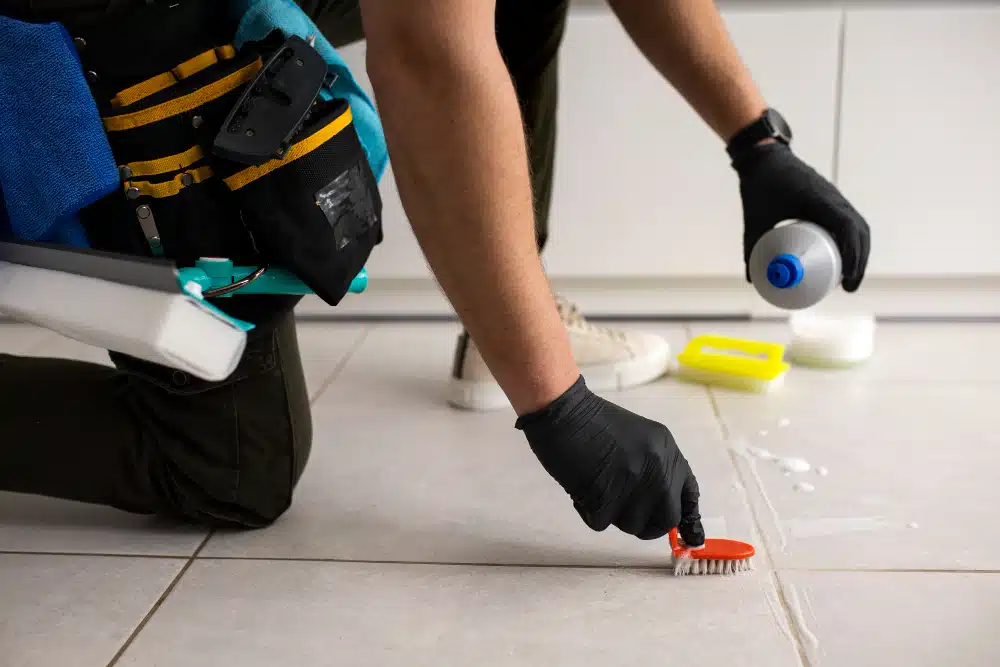
Light dust is easier to remove than oily residue, pet dander, and tracked grit. Fine particles settle deep into carpet and scrape fibers with every step. Grout lines collect grease and dark soil that plain mopping leaves behind. If heavy buildup remains below the surface, fresh appearance fades fast. A floor may seem clean right away, yet hidden residue can pull in new dirt within days.
Pre-Treatment Sets the Pace
Strong results often begin before any rinse or extraction starts. A proper pre-treatment loosens sticky soil, breaks oily films, and gives tools a fair chance to remove buildup. Without that step, operators may rely on extra passes alone. More passes can help, but chemistry and dwell time often do the real work. Careful preparation supports a cleaner finish and helps surfaces stay bright much longer.
Heat, Agitation, and Rinse Balance
Good cleaning uses balance rather than brute force. Heat can help release grime, though too much may stress some fibers or setting materials. Agitation lifts trapped debris, yet rough handling can fuzz carpet or disturb grout edges. A clear rinse matters just as much. Leftover solution becomes a magnet for soil, which is why floors sometimes look worse soon after an apparently strong service.
Drying Speed Changes Everything
Moisture left behind shortens the life of a cleaning. Damp carpet attracts soil quickly because wet fibers catch fine particles from shoes and indoor air. Tile areas with lingering water can hold loosened grime inside grout lines. Fast drying helps lock in the clean look. Strong airflow, lower humidity, and controlled water use make a major difference, especially in busy family rooms and entry paths.
Traffic Patterns Tell the Story
A guest room and a hallway do not age at the same rate. Repeated foot traffic grinds grit into carpet and pushes grime into porous grout. Homes with kids, pets, or frequent visitors often see faster wear after any service. Entry zones also take the first hit from outdoor soil. Cleanings last longer where mats are used, shoes are limited, and tracked debris is removed early.
Stain Protection Helps, But Limits Apply
Protective treatments can add useful staying power after cleaning. They coat fibers or surfaces so spills sit higher and cleanup becomes easier. That benefit is real, though it has limits. Protection wears down under repeated use, harsh spotting attempts, and strong sunlight. If a floor already carries old residue, adding a protector will not solve the underlying issue. Base cleaning quality still leads the outcome.
Maintenance Between Visits
Longer-lasting results often depend on simple routines after the crew leaves. Regular vacuuming removes abrasive grit before it settles deeper. Quick blotting reduces stain spread and helps prevent sticky patches. Neutral cleaners are usually safer than heavy soaps for tile touch-ups. Overwetting problem spots can create new issues. Consistent care does not replace deep cleaning, but it stretches the value of each professional appointment.
Choosing the Right Method
Different floors need different approaches. Synthetic carpet may handle hot water extraction well, while delicate rugs can need lower moisture and gentler handling. Porous tile and deep grout usually require more targeted flushing than smooth ceramic. A method that works on one surface may disappoint on another. Lasting results usually come from inspection first, then a plan based on fiber, finish, soil type, and use.
Conclusion
Carpet and tile cleanings last longer when the process fits the floor, the soil, and the way a home is used. Material choice, preparation, rinse quality, drying speed, and follow-up care all affect how long that fresh look remains. No single trick guarantees months of brightness. Strong results usually come from smart methods and steady upkeep. That is why two cleanings can look similar on day one, yet age very differently after a few weeks.