


Introduction
Water damage does not always lead to mold, yet delay raises risk fast. Fungi can start growing within 24 to 48 hours if damp materials stay wet. Many owners see a stain, dry the surface, and assume the issue is over. That guess can be costly. A smart response starts with timing, moisture depth, and the type of material affected, because those details decide whether expert assessment is necessary.
The First 48 Hours Matter
A leak under a sink is different from floodwater in drywall. Early drying can limit growth, while trapped moisture can feed hidden colonies. Porous materials, such as carpet, insulation, and ceiling board, hold water longer than tile or metal. That is why the first inspection window matters. Fast action lowers cleanup costs and reduces the chance that contamination spreads into nearby rooms.
Signs That Point Past Basic Cleanup
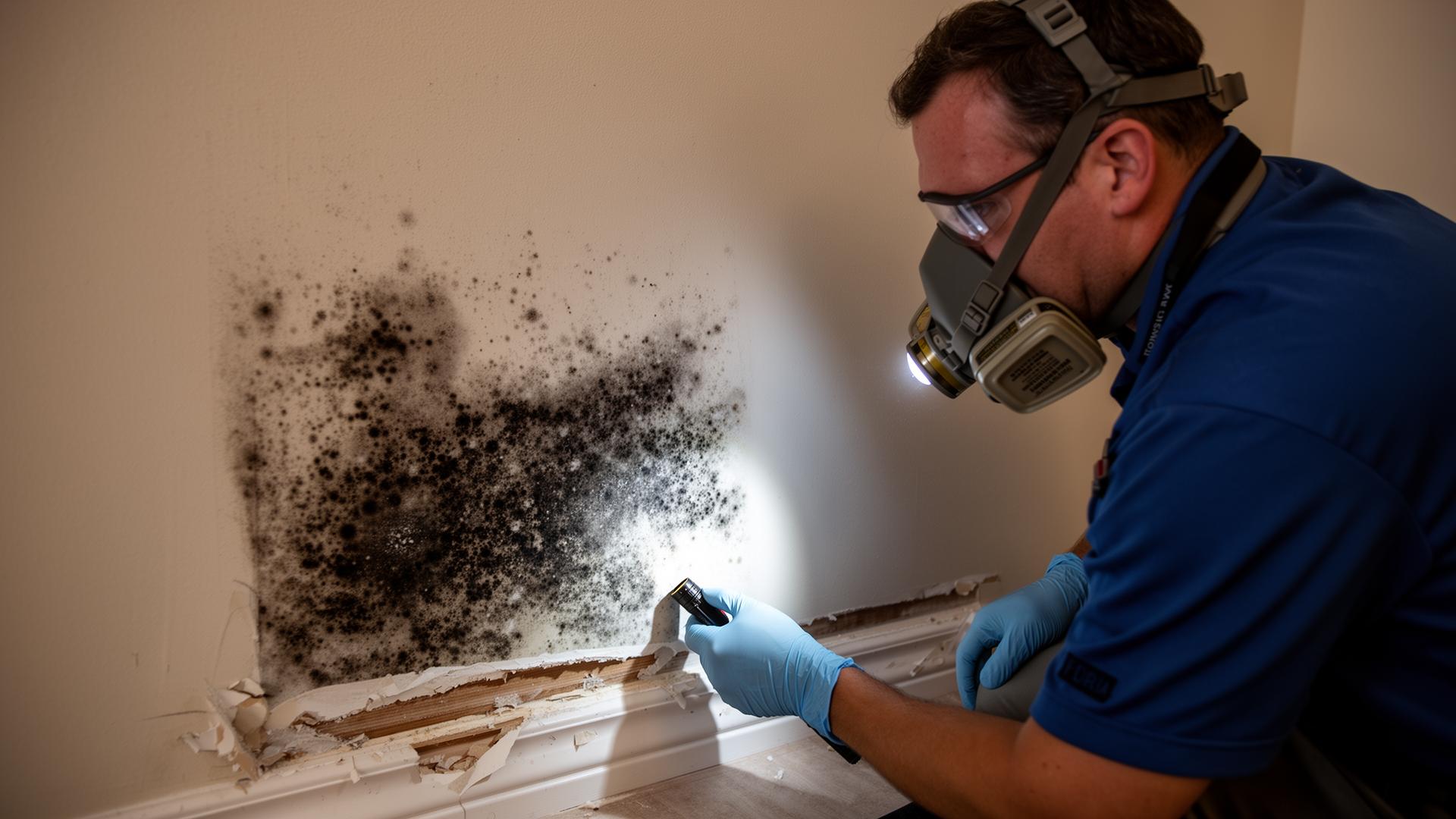
If a home still smells musty three days after drying, the problem may be deeper than a visible stain. In many cases, a Mold Assessor becomes useful when moisture reached wall cavities, insulation, subfloors, or air pathways. Those areas stay damp long after surfaces look normal. A qualified evaluation helps separate minor residue from a condition that could keep returning after cosmetic repairs.
Size Changes The Decision
Small spots in a well-ventilated bathroom may need simple correction, not full testing. A larger affected area suggests a wider moisture source. Many indoor air guides treat growth covering more than about 10 square feet as a stronger reason for outside review. Bigger patches often mean hidden spread behind trim, cabinets, or baseboards, where household cleaning cannot confirm whether material should be removed.
Recurring Leaks Raise The Stakes
One dry event is easier to judge than repeated moisture. Roof drips, plumbing pinholes, and air handler leaks often create a cycle of wetting and drying. That cycle supports growth inside enclosed materials. Repeated staining also makes visual judgment less reliable. If the same area darkens again, assessment helps confirm whether the source was missed, whether spores remain active, and whether repairs solved the cause.
Health Complaints Can Shift Priority
A mold check is not only about property condition. It can also help when occupants report coughing, irritation, headaches, or worsened allergies after a water event. Symptoms alone do not prove mold, yet they can justify a closer review. A clear assessment can document moisture conditions, visible growth, and sampling results when needed, which gives families and property managers firmer ground for the next step.
Hidden Moisture Is The Real Problem
Visible growth is often the last clue, not the first. Moisture meters, thermal imaging, and targeted sampling can reveal damp sections behind finishes. That matters because paint can hide staining, and fans can dry the surface while leaving the core wet. Homes in humid places face added risk, since indoor materials can stay above 60 percent relative humidity long enough for spores to settle and multiply.
Real Estate Deals Need Clear Answers
Sales and leases add pressure, because buyers and tenants want facts, not guesses. A general contractor may fix the leak, but a separate assessment can document what was affected and what still needs review. That distinction matters during negotiation. Written findings can also help avoid disputes later. Clear notes on moisture source, damaged materials, and sampling results give all parties a shared record before closing.
Post-Remediation Checks Prevent Repeat Trouble
Cleanup work is not the end of the story. Owners often assume removal solved everything, though residual moisture can restart growth. A follow-up assessment can confirm whether affected materials were handled properly and whether drying reached acceptable levels. This step matters most after large leaks, sewage backups, or long-hidden plumbing failures. Verification protects repair budgets and supports confidence that the area is ready for normal use again.
Cases That Usually Do Not Need One
Not every spill calls for specialist help. A small clean-water overflow on a hard floor, dried quickly with no odor or staining, may not justify an assessment. The same is true for minor condensation that stops after ventilation improves. The key issue is persistence. If moisture is gone, materials stayed intact, and no smell remains, routine monitoring may be enough without further testing or formal reporting.
Conclusion
Water damage becomes a mold concern when moisture lingers, spread is unclear, or people need proof before repair, sale, or occupancy decisions. The best trigger is not panic. It is evidence: recurring stains, musty odor, hidden dampness, health complaints, or affected porous material. In those cases, assessment adds clarity that surface cleaning cannot provide. A timely review helps owners fix the source, limit loss, and avoid repeated contamination later.