



Accidental strikes on buried utilities cost Australian industries millions each year in repairs, delays, and safety incidents. In built-up urban areas, pipes, cables, and conduits often sit tangled together just below the surface. Mechanical diggers have no way to tell what they are about to hit. Hydro excavation flips the script by using pressurised water and vacuum suction to remove soil gently, keeping underground assets intact. For site operators and project managers, choosing the right excavation method can be the difference between a clean dig and a six-figure disaster.
What Is Hydro Excavation and How Does It Work?
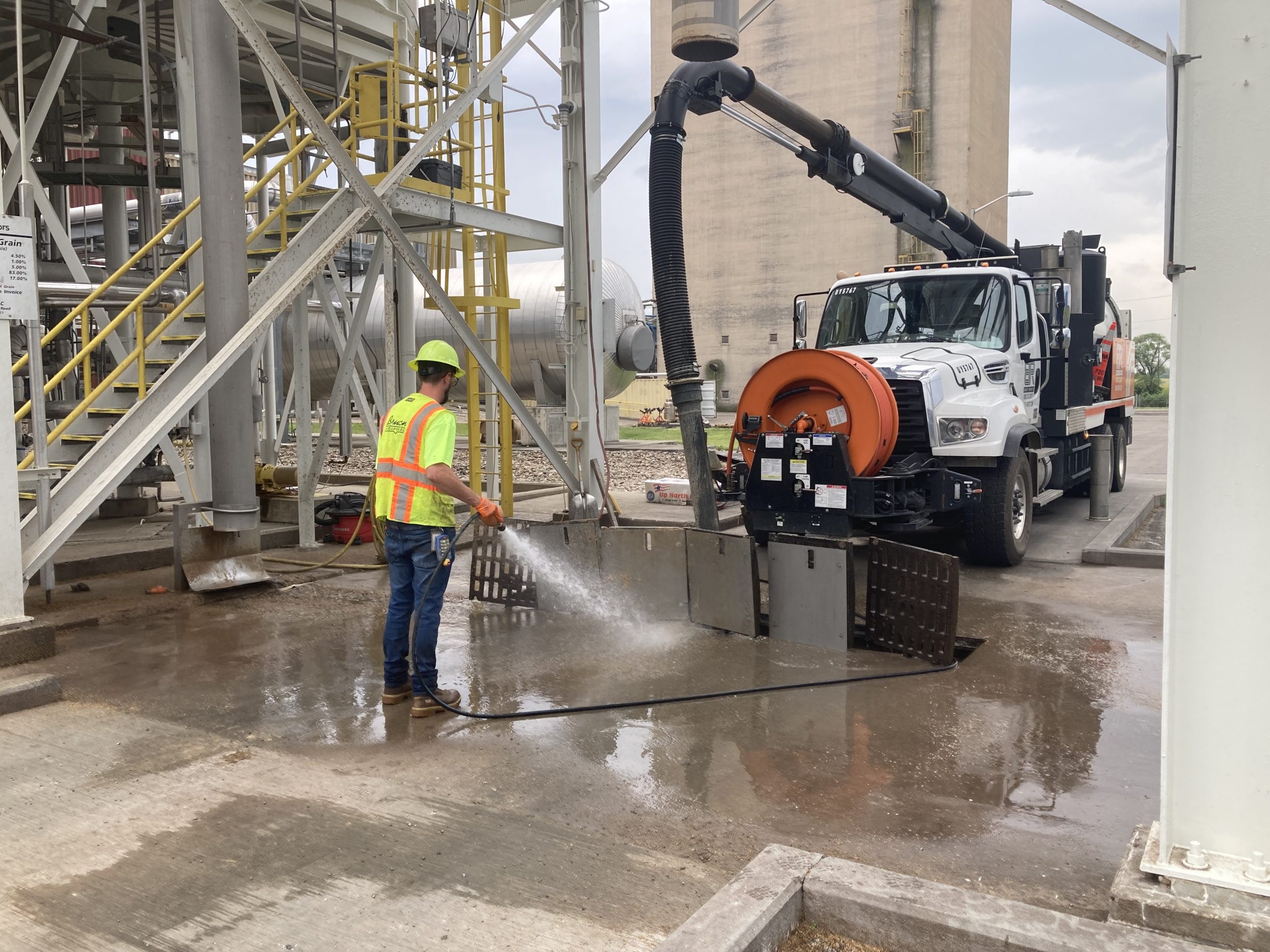
At its core, hydro excavation is fairly simple. A truck-mounted unit sprays high-pressure water onto the ground to loosen soil, while an industrial vacuum sucks up the wet slurry into a holding tank. There are no metal teeth or spinning blades making contact with whatever is buried below. Providers of hydro excavation Sydney services rely on this approach while working on residential streets, commercial builds, and major civil works.
A typical job follows these steps:
- Scan the site and mark known utility locations before breaking any ground.
- Direct pressurised water at the dig zone to soften and separate soil, clay, or sand.
- Vacuum the loosened material into the debris tank through a large hose.
- Expose buried pipes or cables cleanly so crews can inspect or work around them.
Since nothing sharp or heavy touches the infrastructure underground, the odds of slicing through a gas main or fibre optic cable shrink dramatically. It is especially useful in narrow corridors, footpaths, and congested road reserves where a standard excavator bucket would cause more problems than it solves.
Why Mechanical Digging Puts Buried Assets in Danger
Backhoes, trenchers, and excavator buckets all apply force blindly. The operator works from the surface and cannot see what sits 300 mm or a metre below. Older utility maps make things worse, as records from past decades frequently contain inaccuracies of up to 500 mm or more.
That uncertainty leads to real consequences:
- Ruptured water mains or gas pipes that force emergency shutdowns and evacuations
- Severed electrical cables that create immediate arc flash or electrocution risks on site
- Damaged telecommunications lines that knock out internet and phone services for nearby homes and businesses, sometimes lasting days
- Unplanned repair bills, regulatory fines, and schedule blowouts that can exceed tens of thousands of dollars per single incident
The Australian Communications and Media Authority (ACMA) continues to log hundreds of excavation-related damage reports to national broadband infrastructure annually. On top of that, Safe Work Australia guidelines now push strongly for non-destructive methods whenever crews dig near known utility corridors. These rules exist for good reason. One careless strike affects far more than just the project at hand.
Key Benefits for Ground Penetration Projects
Hydro excavation tackles the biggest risks of underground work head-on, and it brings a few practical wins that mechanical methods simply cannot match.
-
Precision and Safety Matter Most
The operator controls exactly where the water hits and how deep it goes. That level of control means smaller dig zones, lower reinstatement costs, and far less disruption to surrounding pavements or landscaping. Workers also face significantly reduced exposure to live gas or electrical assets compared to manual or mechanical alternatives.
-
Speed Is Another Major Factor
A single hydro excavation unit can finish a potholing task in well under an hour. Hand digging the same hole might take half a day. On large civil projects requiring dozens of test holes across a site, those time savings add up fast and keep programmes on track.
-
Cleaner Environmental Outcomes Round Out the Picture
The vacuum system collects all excavated material in a sealed tank, so loose soil and debris stay out of stormwater drains. Most operators then dispose of the slurry at licensed waste facilities. This helps the project stay compliant with local council and environmental regulations without extra effort from the site team.
For any job that involves breaking ground near existing infrastructure, hydro excavation strips away much of the physical risk and guesswork that older methods carry.
Final Thoughts
Preventing damage during ground penetration is no longer optional in most Australian states. Regulators expect it. Hydro excavation gives project teams a precise, lower-risk way to expose buried utilities without the hazards that come with heavy machinery.
Streets and suburbs are only getting more congested underground, with new fibre, gas, water, and electrical assets laid alongside ageing infrastructure from decades past. Investing in non-destructive digging protects assets, keeps workers safer, and saves projects from budget blowouts that no one planned for.