


Introduction
A home inspection gives buyers a clearer view of a property before a purchase becomes final. The review covers visible conditions, safety concerns, major systems, and signs of costly damage. Buyers gain useful facts for repair planning, price discussions, and future upkeep. A practical checklist also helps each person stay focused during the appointment, ask better questions, and notice details that listing photos rarely show.
Before the Inspection
A buyer should choose a qualified home inspector in eagan mn before removing the inspection contingency. The professional examines accessible areas, records visible defects, and explains potential concerns without deciding whether the purchase makes financial sense. Buyers should attend if possible, bring questions, and allow several hours for a careful review of the property.
Documents and Questions
The buyer should gather the seller disclosure, repair receipts, permits, utility records, and warranty details. These papers may reveal previous leaks, replacements, additions, or unresolved claims. Questions should cover the roof’s age, heating history, drainage performance, and known moisture events. Clear records help the inspector compare reported conditions with visible evidence.
Exterior Review
Outside, the inspector checks siding, trim, windows, doors, decks, steps, railings, and attached structures. The foundation receives close attention for cracks, displacement, or water entry. Grading should carry rain away from the building, while downspouts need suitable extensions. Trees and branches also deserve review because roots, falling limbs, or excess shade can affect the structure.
Roof and Drainage
The roof review includes shingles, flashing, vents, penetrations, gutters, and visible sagging. Age matters because older coverings may need replacement soon, even without active leaks. Gutters should discharge water away from the foundation. Stains inside upper rooms can support further evaluation, especially after recent rain. A buyer should ask whether a specialist needs to inspect inaccessible sections.
Interior Rooms
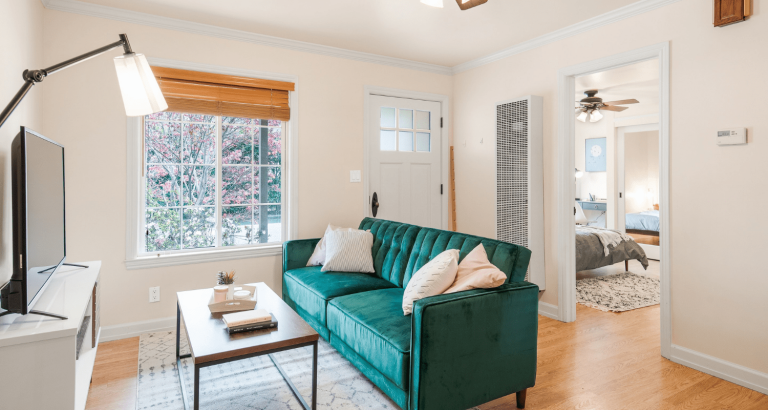
Inside, the inspector observes ceilings, walls, floors, windows, doors, stairs, and visible finishes. Uneven surfaces, fresh patches, peeling paint, or musty odors may point to movement or moisture. Cabinets and fixtures should operate properly. Buyers should test selected outlets, switches, and faucets, while avoiding actions that could damage property or create a safety concern.
Major Systems
Heating and cooling equipment should receive a basic operational review, including age, condition, airflow, and service labels. The electrical check includes panels, grounding, exposed conductors, and signs of overheating. Plumbing receives attention at supply lines, drains, water heaters, and fixtures. The inspector also reviews visible sewage connections and recommends specialized testing when evidence warrants it.
Safety and Moisture
Smoke alarms, carbon monoxide alarms, handrails, guardrails, and emergency exits deserve attention during the appointment. The inspector looks for mold-like growth, staining, damp materials, and poor bathroom ventilation. A buyer should ask about radon, lead paint, asbestos, and underground oil tanks because standard visual reviews cannot confirm every hidden hazard. Specialist testing may be necessary.
Attic, Basement, and Crawl Space
Attic areas may reveal weak insulation, blocked vents, roof leaks, or damaged framing. Basements and crawl spaces can show seepage, high humidity, pest activity, settlement, or unsafe wiring. The inspector records accessible conditions without moving heavy belongings or entering unsafe zones. Buyers should ask which spaces were excluded and why those limits affect the report.
Reading the Report
A buyer should read the full report, not just the summary page. Findings usually separate immediate safety matters, maintenance needs, and conditions requiring further review. Cost estimates may remain broad because materials, labor, access, and local rates vary. Repair requests should focus on significant defects, safety risks, and issues that affect function rather than cosmetic preferences.
Conclusion
A buyer’s checklist turns a home inspection into a practical decision tool. Exterior drainage, structural signs, interior finishes, mechanical equipment, electrical components, plumbing, and safety features all deserve attention. Buyers should pair the report with specialist opinions and realistic repair costs before making a final choice. Careful review can reduce surprises, support fair negotiations, and create a useful maintenance plan after closing.