
Introduction
A Raleigh property check gives buyers a clear view of major systems before closing. It reviews visible conditions, safety concerns, and signs of costly repairs. Yet no inspection can predict every hidden defect. A careful report separates routine upkeep from concerns needing qualified trades. Local weather, soil, drainage, and older construction create common clues. Knowing the standard scope helps each buyer decide whether another evaluation makes sense before final negotiations begin.
Regional Context for Buyers
Buyers comparing markets can use a home inspection in durham nc to review similar structural, electrical, plumbing, and moisture concerns in Durham properties. That comparison helps reveal how regional rain, crawl spaces, older wiring, and grading affect findings. The linked service page offers location-specific inspection information, while Raleigh buyers still need a licensed local professional for their own address and contract.
Exterior Areas Under Review
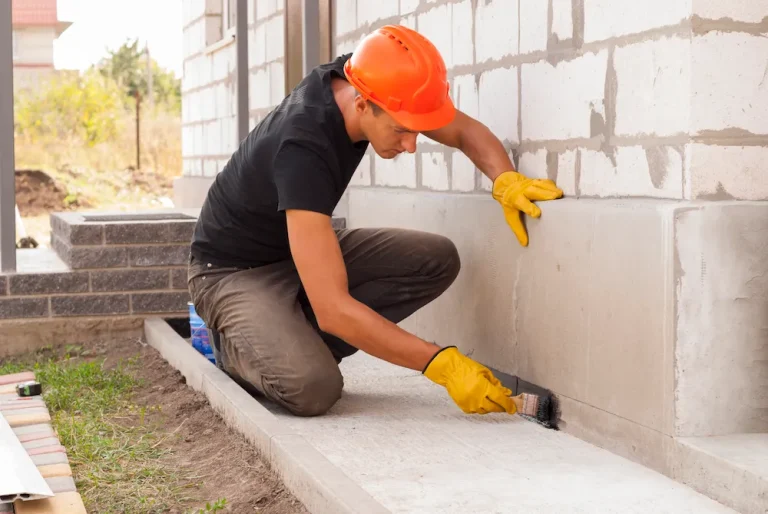
Exterior review usually starts with the roof, siding, windows, doors, decks, porches, and visible foundation surfaces. Inspectors check drainage paths, grading, downspouts, and signs of water entry. Visible damage may include loose shingles, cracked masonry, wood decay, or failed seals. Drainage trouble deserves prompt attention because runoff can affect crawl spaces, basements, slabs, and landscaping.
Interior Components Examined
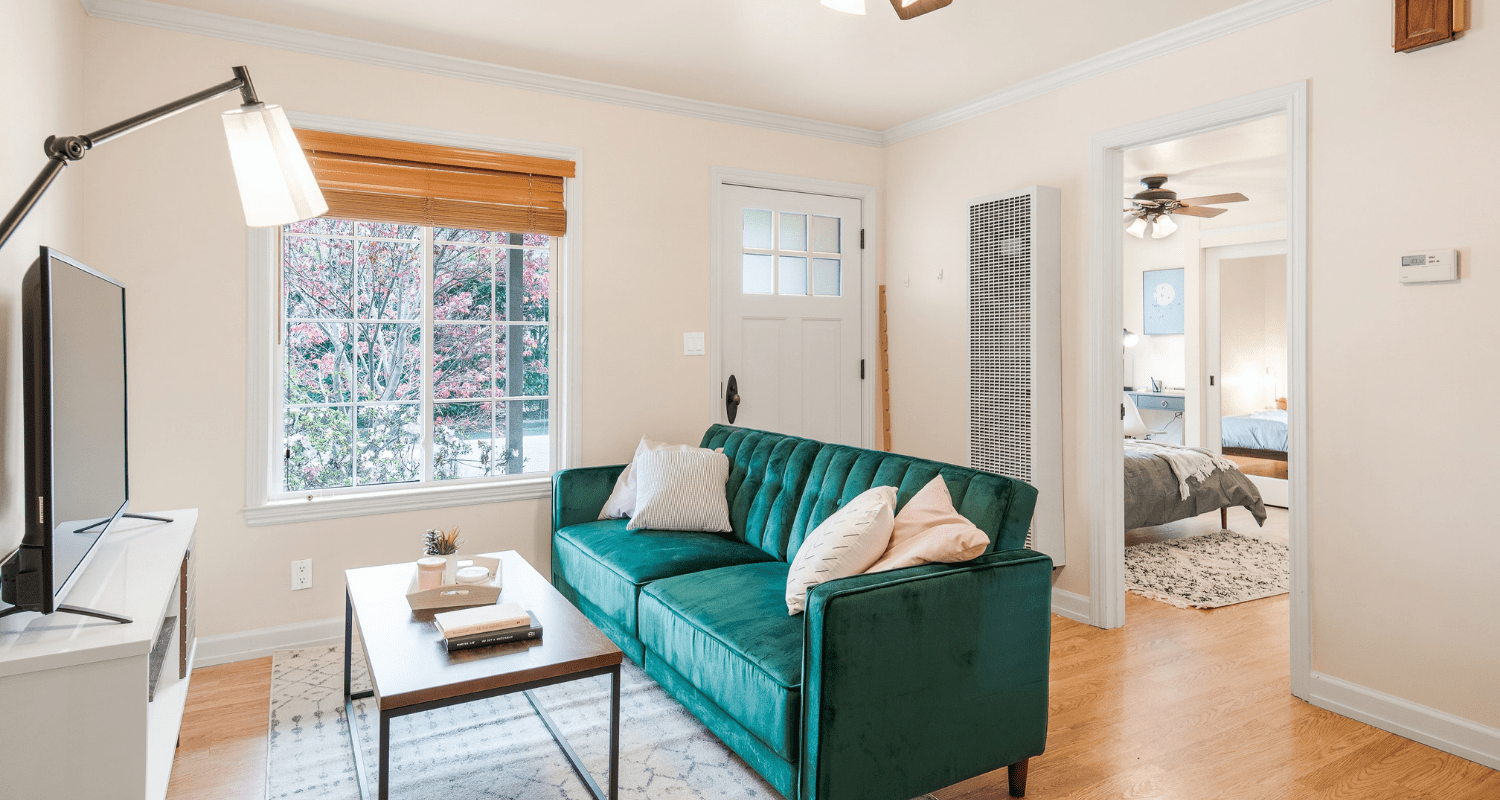
Inside rooms, inspectors review floors, walls, ceilings, stairways, railings, windows, and doors. Kitchens and bathrooms receive attention because leaks often begin around fixtures, cabinets, tubs, and supply lines. Attic areas may show poor ventilation, damaged insulation, or roof leaks. Moisture marks do not prove an active leak, so the report should identify visible evidence and recommend further review where needed.
Major Home Systems
Core systems include electrical panels, visible wiring, outlets, plumbing fixtures, water heaters, heating equipment, and cooling units. Electrical review can identify missing covers, unsafe connections, outdated components, or inadequate protection. Plumbing checks may reveal leaks, weak flow, corrosion, or drainage problems. Heating and cooling equipment receives a limited operational check, not a full performance analysis or repair certification.
Health and Safety Concerns
Safety review covers smoke alarms, carbon monoxide alarms, handrails, guards, garage doors, fireplaces, and accessible shutoffs. Inspectors may flag exposed wiring, trip hazards, missing ground-fault protection, or unsafe combustion conditions. Older Raleigh houses can contain materials requiring separate testing, such as lead paint, asbestos, mold, or underground fuel tanks. Visual inspection alone cannot confirm those substances.
Signs That Call for a Specialist
Specialist triggers arise when a concern exceeds visual review or general inspection limits. A structural engineer may assess foundation movement, sagging floors, or significant wall cracks. A pest professional can evaluate suspected termites or wood-destroying insects. Qualified electricians should examine unsafe panels or recurring power faults. Roofing contractors can determine remaining service life, concealed damage, and repair costs.
Best Timing for Additional Evaluations
Timing matters because specialists may need access, laboratory testing, or several days for a written opinion. Before signing, buyers should review the inspection report and contract deadlines. After repairs, a follow-up visit can confirm whether visible corrections appear complete. During negotiations, documented findings provide stronger support than rough estimates or verbal concerns. Early scheduling protects decision time.
Making Practical Decisions From the Report
Report use becomes easier when findings are grouped by safety, water intrusion, structural movement, system failure, and ordinary maintenance. Clear photos, descriptions, and recommended next steps help separate urgent action from future budgeting. Buyers can request specialist opinions for high-cost items before releasing contingencies. Sellers may also arrange repairs, credits, or disclosures after receiving credible documentation.
Conclusion
Raleigh buyers gain the most value from an inspection that explains conditions without overstating certainty. A standard review covers accessible structure, exterior elements, interior spaces, major systems, and common safety issues. Regional rain, drainage patterns, crawl spaces, and older construction can justify extra testing. Careful timing gives buyers room to consult engineers, pest experts, electricians, or other trades. With clear findings and qualified advice, each party can make a better-informed property decision.